- Leave-In Serum for Damaged Hair: Why the Reviews Kept Changing Their Mind
- Peptide Hair Serum Ingredients: What’s Actually in the Formula
- Leave-In Serum vs. Hair Oil vs. Hair Mask: Where This Fits
- How to Use a Leave-In Peptide Hair Serum (Without Wasting the Wait Time)
- Visible Effects: What Actually Changes for Damaged, Color-Treated Hair
- Real Voices: Reviews of This Japanese Leave-In Hair Serum
- Is a four-minute wait realistic for a rushed morning routine?
- Does this leave-in serum work for color-treated hair?
- How long before a peptide hair serum shows results?
- Can a leave-in serum replace a hair mask?
- Is this hair serum silicone-free?
- Does the four-minute wait time before drying actually matter?
- Where to Buy MQURE Molecular Repair Hair Serum
- Reference
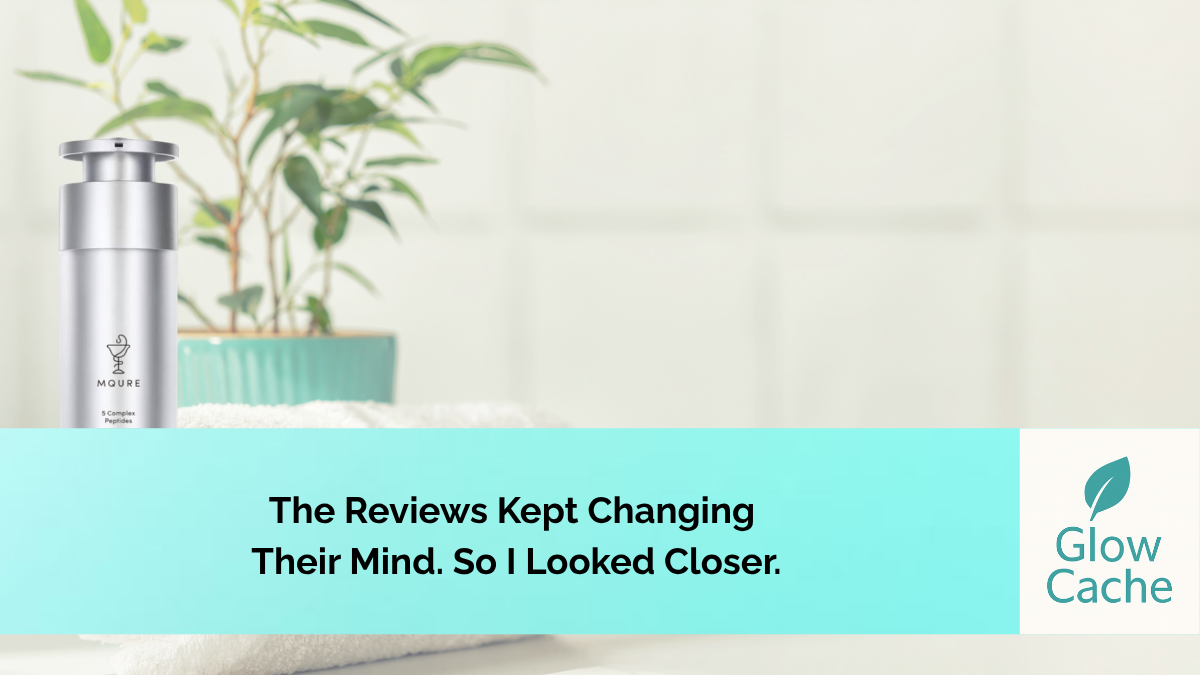
Leave-In Serum for Damaged Hair: Why the Reviews Kept Changing Their Mind
There’s a specific kind of review I’ve learned not to trust. Five stars, posted the day the box arrived, written in the particular breathless tense people reserve for things they haven’t actually tested yet. I see a lot of these when I’m reading through Japanese haircare reviews. What I don’t see very often is someone coming back later to change their own score.
But that’s what kept happening with this one. Scrolling through a stack of reviews for a leave-in serum from MQURE, a private-label haircare line sold through Matsumoto Kiyoshi and Cocokara Fine drugstores, I noticed the same shape of comment surfacing again and again. A three-star review, posted with mild disappointment. Then, weeks later, an edit: raising this to a five, because — Not a rewrite. An addendum. Someone had changed their mind slowly enough to bother saying so in public, to strangers, for free.
That’s rare. Most beauty verdicts get delivered on day one and the internet moves on. A product that earns a second opinion, an unprompted one, from someone with nothing to gain by revising a star rating, made me want to know what actually happened between the first application and the fifth.
Part of my skepticism here is inherited. I’ve watched enough friends buy a “repair oil” after a colorist appointment, use it once, and end up with hair that looked shinier for an hour and greasier for the rest of the day. The bottle usually ends up at the back of a bathroom shelf. So if this serum’s five-star reviewers were arriving slowly, on purpose, after weeks of comparing it to that exact disappointment, I wanted to know what they were seeing that the day-one reviewers weren’t.
None of the reviews that stuck with me described one dramatic wash day. They were written by people who’d clearly stopped paying close attention to the product itself. The kind of review that shows up weeks into an unremarkable evening routine, when someone reaches for a hairbrush out of habit and notices, almost as an aside, that it went through easier than it used to. That’s harder evidence to fake than a swatch photo. It’s also slower to arrive, which is exactly why I read the ingredient list before deciding what to make of it.
I recognize the specific shape of the search that leads someone here, too. Not “best hair serum,” but something closer to “leave-in treatment that doesn’t feel greasy” or “hair serum for color damaged ends” typed in late, after a day where the ends looked fine leaving an air-conditioned office and rough by the time the humidity outside got to them. That’s a narrower, more honest question than most beauty marketing answers.
👉 Quick Verdict: Who This Is Actually For
This is for you if: your hair is color-treated, heat-styled, or otherwise has damaged ends that won’t hold texture by evening, and you want a leave-in step that doesn’t feel like committing to a heavy oil. It also helps if you can spare four unhurried minutes after a shower, even on a weekday.
This isn’t for you if: you’re looking for a same-day transformation, or you have very fine, low-porosity hair that already gets weighed down by lightweight leave-ins.
Our take: Judging by how the reviews evolved, this reads less like an instant-fix product and more like one that rewards a few weeks of consistent use. We’re not fully sold on “instant results” claims for any leave-in. Take that as a reason to plan for patience, not a reason to skip it.
Peptide Hair Serum Ingredients: What’s Actually in the Formula
“Peptide” has become one of those words that gets stapled onto a label and left to do its own marketing. The beauty-world equivalent of putting “artisanal” on a bag of chips. So I looked past the word to the actual formula, and it’s a little more specific than the packaging lets on.
Hair damage isn’t uniform. Some of it sits deep in the cortex; some of it is surface-level cuticle lifting. A single protein size can only really address one layer of that. The formula uses several plant-derived repair agents at different molecular weights, presumably to reach both layers at once:
- Milk thistle seed extract — the core repair ingredient, used across the deep-repair and surface layers alike
- Hydrolyzed sesame protein — smaller molecular weight, positioned to penetrate deeper into the hair shaft
- Hydrolyzed rice protein — lightweight, contributes to smoothing without added heaviness
- Hydrolyzed pea protein — plant-derived strengthening agent
- Hydrolyzed soybean protein — rounds out the repair blend at the cuticle level
There’s also a penetration-boosting complex of three ingredients meant to help the formula get into the hair shaft instead of sitting on top of it. This is probably where the four-minute wait time comes from. Not a gimmick. Roughly the time the brand says the formula needs to move in before you reach for a blow dryer.
Worth noting what isn’t in it, too: no silicone, no parabens, no sulfate-based surfactants like sodium laureth sulfate, no synthetic dyes. For a drugstore-tier product, that’s a more restrained ingredient list than the price point would suggest.
Curious whether this fits your hair’s specific damage pattern?
Leave-In Serum vs. Hair Oil vs. Hair Mask: Where This Fits
Part of why that “repair oil” disappointment is so common: hair oils, leave-in serums, and deep-conditioning masks solve different problems, even though drugstore shelves tend to blur them together under the same “for damaged hair” signage.
Hair oils mostly coat the outside of the strand. They control flyaways and add shine fast, which is why they photograph so well. It’s also why they can feel heavy or greasy on fine hair; the effect sits on top rather than working from within.
Deep-conditioning masks do the opposite. They’re formulated to sit under heat or wrap for ten to twenty minutes, delivering a much higher concentration of conditioning agents in one sitting. They’re the right tool for significant damage, but not a daily-use product. Most people manage once a week at best.
A leave-in peptide serum is meant to sit in the middle: lighter and faster than a mask, designed to penetrate rather than coat, which in theory avoids the greasy trade-off of an oil. Based on the review pattern here, that mostly holds up in practice. Just slower than the packaging implies.
How to Use a Leave-In Peptide Hair Serum (Without Wasting the Wait Time)
The formula dispenses from a pump as a cream-serum hybrid: thicker than water, thinner than a mask, closer in weight to a lightweight lotion than an oil. It’s meant to go on towel-dried hair (damp, not soaking wet, not fully dry), and the amount matters more than something this light would suggest.
- Towel-dry after shampooing. Hair should be damp, not dripping. Excess water dilutes the formula before it has a chance to absorb.
- Apply to mid-lengths and ends only. Reviewers who applied it too close to the roots describe a heavier, slightly weighed-down feeling by the second day. This is a repair step for damaged ends, not a scalp treatment.
- Wait roughly four minutes before blow-drying. This is the step people skip. It’s also the one the brand specifically built the formula around: the window when the penetration complex does its work.
The scent is floral and aromatic. Reviewers describe lavender and citrus notes layered with something more floral underneath, though descriptions vary enough between reviewers that “noticeable at first, fading rather than lingering once hair is dry” is probably the safest summary. On absorption, it doesn’t sit on the surface the way heavier hair oils tend to. That matters if you’ve been burned before by a “repair oil” that looked good for an hour and greasy for the rest of the day.
Visible Effects: What Actually Changes for Damaged, Color-Treated Hair
Across the reviews that took the time to update themselves, the pattern isn’t “hair transformed overnight.” It builds in stages, roughly like this.
First few uses: smoother-feeling ends, less catching when brushing through. The most immediately noticeable change, and the one most likely to show up in a first-impression review.
Two to three weeks in: reduced breakage at the ends and better hold against frizz by the end of the day is the more consistent thread in updated reviews. That tracks with a formula designed to work from inside the hair shaft outward, rather than coat the surface for an immediate shine effect.
For color-treated or heat-damaged ends specifically, this is a slower, less photogenic kind of result. Genuinely hard to capture in a same-day photo. That may be exactly why some reviewers didn’t feel confident scoring it until they’d used it long enough to notice.
Hair type seems to matter more than most reviews bother to mention. Thicker, coarser, or more porous hair, the kind that tends to soak up product without feeling weighed down, reported the most consistent improvement in manageability. Finer or lower-porosity hair showed a more mixed picture. Still generally positive, but with more reviewers noting they had to apply less than the instructions suggested, or apply it only to the very ends, to avoid a limp, product-heavy feel by the second day. If your hair falls into that finer category, start with a smaller amount than you’d think rather than skipping it altogether.
Skip this if: you want a single-use miracle before an event tonight, your hair is fine and oily at the roots (this is formulated for mid-lengths and ends, and can feel like too much product if applied close to the scalp), or you’re specifically hunting for a strong shine-and-gloss finish rather than a repair-focused one.
Real Voices: Reviews of This Japanese Leave-In Hair Serum
“Almost didn’t repurchase after the sample ran out. Full-size bottle changed my mind. Ends stopped catching on my hairbrush by week two.”
— from a Japanese haircare review platform
“Didn’t expect the scent to be this strong straight out of the pump. It fades within the hour though, and honestly that’s the least of it. I’ve kept buying it for how my hair holds up by the time I get home in humid weather.”
— from a Japanese haircare review platform
“The pump doesn’t dispense a consistent amount, which is annoying for a product that tells you exactly where to apply it. There’s improvement, just slower than the marketing suggests. Three months in and I still can’t decide if it’s worth the full-size price over the travel version.”
— from a Japanese haircare review platform
Want to see how it fits into a full damaged-hair routine?
Is a four-minute wait realistic for a rushed morning routine?
If mornings are already tight, this isn’t a step to squeeze in between the shower and walking out the door. The more workable version most reviewers seem to land on: apply it right after towel-drying, then move on to skincare or makeup, and let the four minutes happen in the background instead of standing around waiting for a timer. It’s a small routine adjustment rather than an extra task on top of everything else.
Does this leave-in serum work for color-treated hair?
It’s formulated for damaged ends broadly, which includes color-treated hair. The peptide and protein blend targets structural damage rather than color specifically, so it doesn’t fade or alter tone, but it also won’t restore vibrancy. Think repair, not color-care. Pair it with a color-safe shampoo if fading is your main concern.
How long before a peptide hair serum shows results?
Based on how reviews tend to shift over time, most people who ended up satisfied noticed gradual improvement over two to three weeks of regular use, rather than after the first application. If you’re expecting an overnight change, this isn’t the formula for it.
Can a leave-in serum replace a hair mask?
It’s designed as a lighter, faster leave-in step, not a replacement for a weekly deep-conditioning mask. If your ends are significantly damaged, using both (mask weekly, serum after every wash) is the more realistic combination.
Is this hair serum silicone-free?
Yes. It’s formulated without silicone, parabens, sulfate-based surfactants, or synthetic dyes, which is worth knowing if you’re trying to simplify what’s going into your hair care lineup.
Does the four-minute wait time before drying actually matter?
According to the brand, that window is when the penetration-boosting complex helps the formula move into the hair shaft before heat styling. Skipping it likely doesn’t ruin the product, but it may mean the serum sits closer to the surface than intended. The opposite of what you’re paying for.
Where to Buy MQURE Molecular Repair Hair Serum
My friend Maco stocks this through LOLO JAPAN, her Shopee store shipping authentic Japanese products directly to Singapore and Malaysia. That’s where I’d point you first if you’re ordering from either country.
Japanese domestic retail price: approximately ¥2,900 (tax included ¥3,190) for the 50mL size.
Reference
- MQURE official product page — Matsumoto Kiyoshi Cocokara Online
- MQURE Molecular Repair Hair Serum product launch press release, PR TIMES (2024)
- Japanese consumer haircare review platforms, aggregated review patterns
コメント