- 💭 Empathy & Realization
- ⚡ Quick Verdict: Who This Is For
- 💡 Texture & Feel: Lightweight, Fast-Absorbing
- 💪 Visible Effects: Pores, Texture & Radiance
- 🧪 Ingredients: Why the Formula Works
- 🗣️ Real Voices from Real Users
- ❓ Common Questions
- ✨ Where to Buy
- 📎 Reference
💭 Empathy & Realization
Vitamin C serum is one of those products that most skincare-interested people have tried at least once. What’s less talked about is how rarely it actually sticks.
The bottle oxidizes before it’s half finished. The skin turns red after a few applications. You use it consistently for a month, see nothing particularly convincing, and quietly move on. At some point it ends up at the back of a drawer — not because it was obviously bad, but because it never quite justified continuing.
What makes Obagi C10 worth examining is that it appears to have been designed around exactly those failure points. Rohto Pharmaceutical’s approach starts with a different question: not “how do we make vitamin C effective,” but “why does vitamin C stop working?” The stabilization system, the penetration mechanism, the concentration choice — each decision traces back to that starting point.
That pharmaceutical logic is what sets this apart from the majority of vitamin C products on Japanese drugstore shelves. What follows is an honest look at how it performs, who it genuinely suits, and where its limitations are.
⚡ Quick Verdict: Who This Is For
This serum is a good fit if:
- You want to address pore appearance, uneven texture, or dullness from city pollution
- You’ve tried vitamin C before but experienced oxidation or irritation issues
- You’re looking for a pharmaceutical-grade formula designed specifically for Asian skin
- You’re committed to consistent daily use over 4–8 weeks to see results
- You already use SPF daily — or are willing to start
Skip this if:
- You want immediate visible results — this works on a weeks-to-months timeline
- Your skin is currently compromised (active breakouts, rosacea flare, post-treatment sensitivity)
- You have a history of vitamin C sensitivity — a lower concentration entry point may suit better
- You’re not using SPF — vitamin C increases photosensitivity and skipping sun protection cancels out the brightening benefits
💡 Texture & Feel: Lightweight, Fast-Absorbing
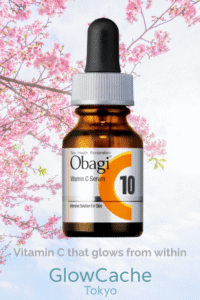
The serum is clear and lightweight — noticeably thinner than many vitamin C formulas, which tend toward a heavier, almost syrupy consistency. Three to four drops covers the full face and neck without pulling or dragging.
Absorption is fast. Within about thirty seconds of application, there’s no residue or tackiness on the skin surface — it integrates cleanly, which matters for layering sunscreen or makeup without pilling. This makes it practical for morning routines in humid climates where heavy textures become uncomfortable quickly.
At 10% L-ascorbic acid, some initial tingling is normal, particularly for first-time users. The sensation is mild and brief — more an indication of activity than irritation. Users with sensitive skin typically report it settles within the first week as the skin adjusts.
The dark protective bottle is functional rather than decorative — L-ascorbic acid degrades with light and air exposure, and the packaging reflects genuine attention to stability. Scent is essentially neutral throughout use, which isn’t guaranteed with vitamin C formulas that can develop a metallic or acidic smell as they age.
💪 Visible Effects: Pores, Texture & Radiance
Skin texture refinement is the most consistently reported outcome — a smoothing of surface roughness that becomes noticeable around the two-to-three week mark. This isn’t an overnight result; it builds gradually as cell turnover accelerates and oxidative damage is addressed at a cellular level.
Pore appearance improves most noticeably in the T-zone. Pores don’t physically shrink — their size is genetically determined — but well-hydrated, congestion-free skin creates the optical effect of reduced pore visibility. The plumping effect of consistent vitamin C use contributes meaningfully to this.
Radiance improvement typically becomes visible around weeks three to four. The shift is subtle — less the “lit from within” language of marketing, more a reduction in the flat, dull quality that accumulates from pollution exposure and disrupted cell turnover. Users in urban environments across Asia report this as one of the clearest benefits.
For fine lines, the timeline is longer. Collagen synthesis stimulated by L-ascorbic acid is cumulative; most users report softening of superficial lines around the six-week mark. This is long-term skin health investment, not rapid correction.
⚠️ Not the best fit if…
- Your skin is currently compromised — active breakouts, rosacea flare-ups, or post-treatment sensitivity warrant waiting before introducing a 10% acid formula
- You’re looking for immediate visible results — this formula works on a weeks-to-months timeline
- You have very reactive skin with a history of vitamin C sensitivity — patch testing is essential
- You’re not using SPF daily — vitamin C increases photosensitivity, and skipping sun protection undermines the brightening benefits entirely
🧪 Ingredients: Why the Formula Works
The ingredient list is deliberately short. Rather than layering in additional actives, the formula concentrates on solving the two core problems with L-ascorbic acid: stability and delivery.
Stability: Pure vitamin C oxidizes on contact with light, air, and heat — it’s why so many vitamin C products turn yellow or orange in the bottle. Vitamin E intercepts oxidation before it reaches the L-ascorbic acid, extending the formula’s potency. The dark packaging reinforces this — it’s functional, not decorative.
Delivery: L-ascorbic acid needs to reach the dermis to stimulate collagen synthesis. Staying on the skin surface produces limited results. Here’s something most people miss: many vitamin C products with higher concentrations underperform compared to well-formulated 10% products precisely because the active ingredient never gets where it needs to go. Ethoxydiglycol addresses this directly.
The 10% concentration is a considered choice. Vitamin C efficacy plateaus around 15–20%, while irritation potential increases more steeply above that threshold. For daily use on Asian skin, 10% sits at an effective point without unnecessary irritation risk.
🗣️ Real Voices from Real Users
Age 29 / Combination Skin
Pore appearance improved noticeably within two weeks of consistent use, particularly in the T-zone. Skin texture described as smoother and more refined. No irritation reported despite combination skin that tends toward sensitivity with active formulas.
Age 35 / Sensitive Skin
Tolerance built gradually without incident — daily use established within the first two weeks. Texture improvement was the most significant outcome, with skin appearing more even in natural light. Continued as a core routine product after the initial trial period.
Age 41 / Dry Skin
Primary concern was fine lines and dullness from urban pollution. Brightening effect noted around week three; softening of superficial lines reported at the six-week mark. Makeup application described as noticeably smoother over the refined skin surface.
Compiled from Japanese review platforms and retailer feedback.
❓ Common Questions About Obagi C10 Serum
Can I use Obagi C10 every day?
Yes — the formula is designed for daily use. Starting every other day is recommended for the first one to two weeks to allow skin to adjust, then building to daily application. Most users establish a daily morning routine without issue.
Is 10% vitamin C too strong for sensitive skin?
10% L-ascorbic acid is considered a moderate concentration — effective without being aggressive for most skin types. That said, anyone with a history of vitamin C sensitivity or currently compromised skin should patch test first. A lower concentration (5%) may be a more appropriate starting point for highly reactive skin.
How long before I see results?
Texture and radiance improvements typically appear within two to four weeks of consistent use. Pore appearance improvement follows a similar timeline. Fine line softening takes longer — most users report changes around the six-week mark. Results are cumulative and build with continued use.
Do I need to use SPF with this serum?
Yes — this is non-negotiable. Vitamin C increases photosensitivity, and sun exposure without SPF will directly counteract the brightening benefits. Daily SPF30 or higher is the minimum. If you’re not already using SPF daily, starting this serum is a good reason to establish that habit.
Is this the same Obagi sold in the US and other markets?
No. The Japanese Obagi C10 formulation is developed by Rohto Pharmaceutical specifically for the Japanese market and differs from Obagi products sold in Western markets. The Japanese version has been formulated for Asian skin types and the environmental conditions — humidity, pollution levels — common across Asian cities.
✨ Where to Buy Obagi C10 Serum
🇸🇬 Singapore
Available through LOLO JAPAN on Shopee SG — an authorized Japanese beauty retailer based in Singapore.
🇲🇾 Malaysia
Ships directly to Malaysia with tracking.
🌍 International / US
Shop on YesStyle with worldwide shipping — or browse on Rakuten ROOM and ship anywhere via Rakuten Global Express, a Japanese forwarding service that delivers to over 100 countries.
🛒 Shop on YesStyle
🌸 Browse on Rakuten ROOM
📦 Ship via Rakuten Global Express
🇯🇵 Reference Price
Japanese domestic retail price: approximately ¥3,000–¥4,000 depending on retailer. Check seller authorization and packaging/batch codes to avoid counterfeits.
📎 Reference
- Obagi Japan Official Website (Rohto Pharmaceutical)
- Image © Rohto Pharmaceutical Co., Ltd.

コメント